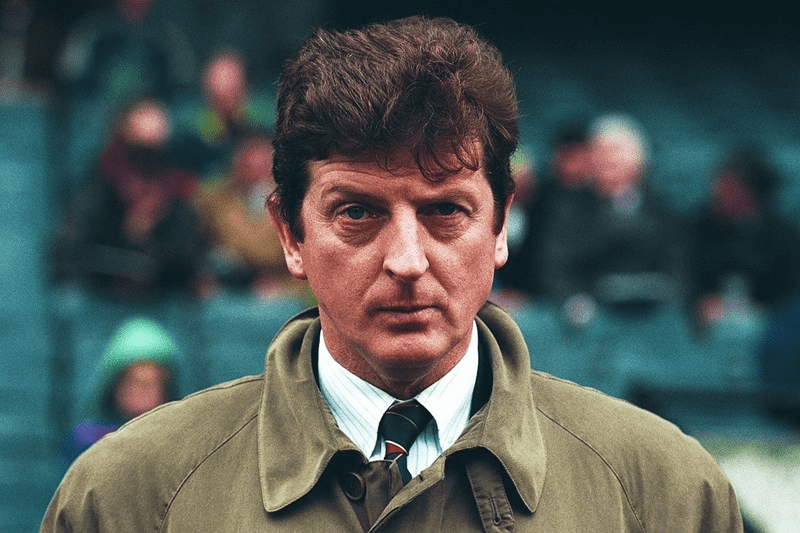
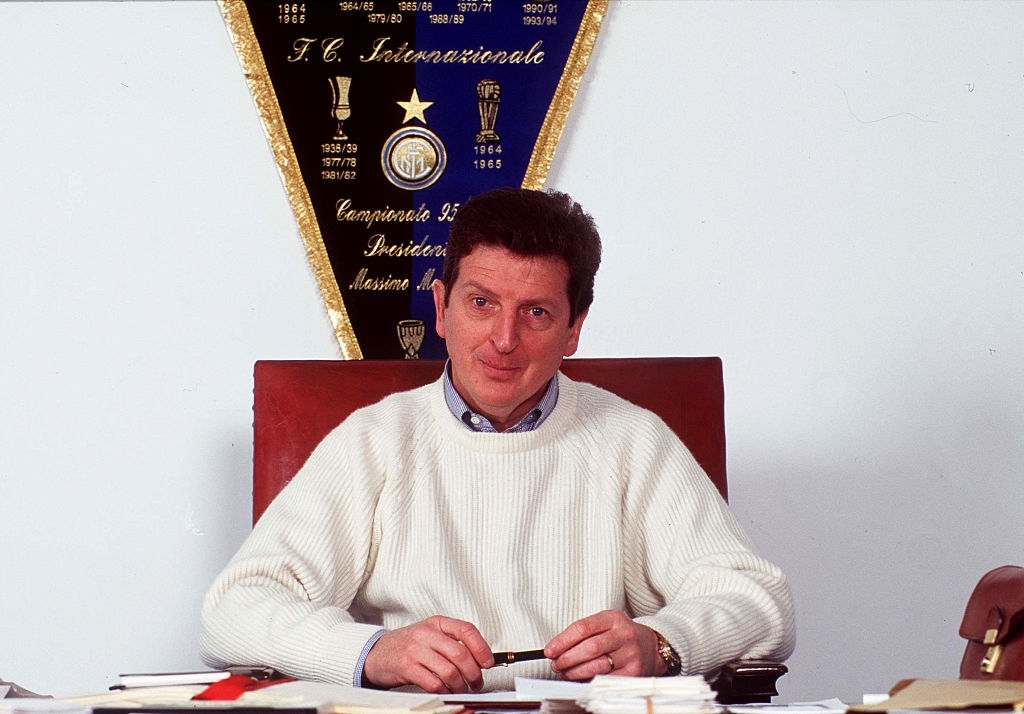
You’d be lying if you said this picture of Roy doesn’t remind you of one of Michael Caine’s henchmen in The Italian Job. Champagne picture, champagne gentleman and a career that’s unlikely to be repeated ever again. But the start of this article takes me to Brighton, to one of my favourite games of the season.
The whole dynamic and balance of the game was Brighton attacking and trying every one of Potter’s tricks to break down a typical Roy Hodgson defence. Everything was about whether they could find the goal they so clearly deserved. When Christian Benteke then volleyed the winner in for Palace, it felt more implausible than most things in the game. It just didn’t feel right. Was that going to stand? Had the whistle already gone? On the touchline, however, a total contrast in mood. A huge grin broke across Roy Hodgson’s face. A little skip, arms aloft and he turned instinctively to hug Ray Lewington, his Archie Knox.
These are the best wins in football: stolen against all odds, against all justice. Analysis and fretting about midfield shape can wait: first you just have to enjoy the euphoric implausibility of it all. “It’s a wonderful feeling,” Hodgson beamed afterwards. Grin intact. And you could see that it was. He may be 73, he may have been coaching for 44 years, but he still feels an ignition of glee at a moment of the most preposterous larceny.
This is Hodgson’s last season at Crystal Palace, a club he grew up supporting with his mates. A club he couldn’t break into as a professional and had to drop multiple divisions as a result. A club where he returned to at the end of one of the most spectacular careers spawning so many sides from so many corners of Europe. His contract expires in the summer and that awkward point has been reached at which fans begin to tire of often bland solidity, to look beyond mere survival.
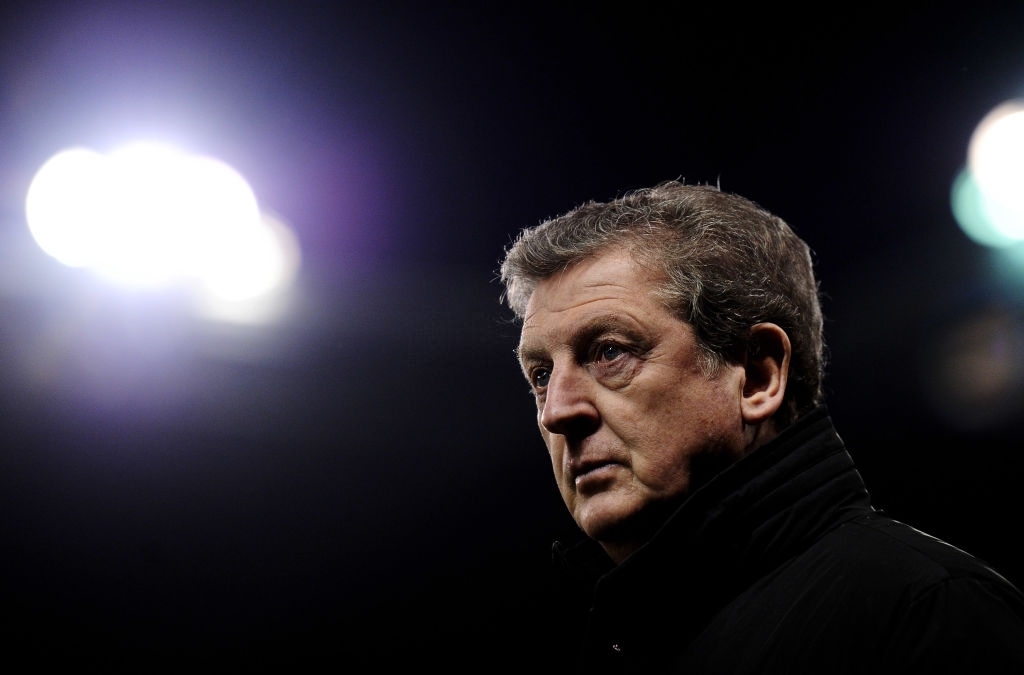
In the summer of 2010, Hodgson had a fantastic reputation. He had coached in eight different counties, managed three separate national teams, enjoyed success almost everywhere he had been, and had just been voted the LMA Manager of the Year having guided Fulham to the UEFA Cup final.
Then he joined Liverpool. Suddenly, everything changed.
Not only were fans unhappy with the team’s performances, but Hodgson was also accused of being deluded in his interviews, while Daniel Agger said his training sessions were so boring that he “completely lost desire to go to work”.
The sheer size of Liverpool Football Club just wasn’t suited to Roy’s style and profile. The expectations and media handling, the level of perfomances and predominantly, results didn’t cut it. It was a match that never should’ve happened. Much like the England job. But that’s as much on the FA as it was on Roy. After four years and 56 games in charge of the Three Lions, Hodgson left his post regarded as not only an unmitigated failure but also as pretty much the antithesis of what the English public want from the man in the top job: quiet, disarming, lacking passion.
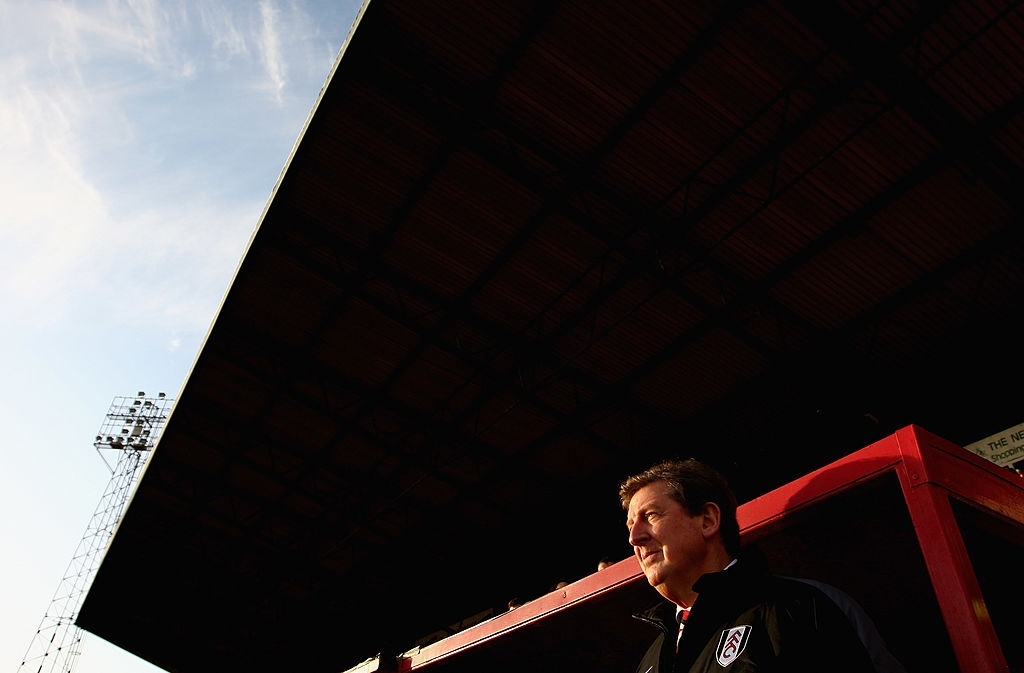
But this solidity and monotonous brand of football that Palace fans seemingly want more than, isn’t necessarily all gloom. Hodgson warned last week of the dangers of wanting more, using Charlton after the departure of Alan Curbishley as his case study, which seemed entirely apt: over-ambition, frustration with familiarity, can destroy a club – but as supporters of a football club, with all due respect, nobody dreams of being Curbishley’s Charlton, do they?
Hodgson is not just a manager of extraordinary longevity – 16 clubs across eight countries and four national teams – but he is a symbol of a past age of English football, perhaps of Englishness. The son of a baker and a bus driver, he was a grammar school boy, committed to self-improvement. There is an obvious contrast between the monomania of many modern coaches and his inquisitiveness about life beyond football.
That’s how he has picked up so many languages, and why he undertook the notorious boat ride down the seine during Euro 2016. Perhaps it did offer an easy attack line when England lost to Iceland but Hodgson has never cared much for PR – as his weird refusal to pay the requisite homage to Bill Shankly when he was introduced as Liverpool manager made clear.
However, you could hardly tell from the poise and the humility that this man’s won titles with Halmstad, five consecutive league titles at Malmo, changed the face of Swiss football, put that country in the global footballing scene. Switzerland had not qualified for a major international tournament since the 1966 World Cup. Hodgson took the Schweizer Nati to the 1994 World Cup, losing only one game during qualification, from a group that included Italy and the more fancied Portugal and Scotland. Euro ‘96 followed shortly after. He did it again with Finland. He’s led out the divine Baggio and Ronaldo at San Siro, seen European finals with Fulham. According to Hannes Sigurdsson, who spent a year playing under Hodgson at Viking in Norway, his public and private personas could not be more different. Hodgson comes across as the type of manager who would rarely fly off the handle, shout at his players or get nasty in the dressing room, but was that the case at Viking?
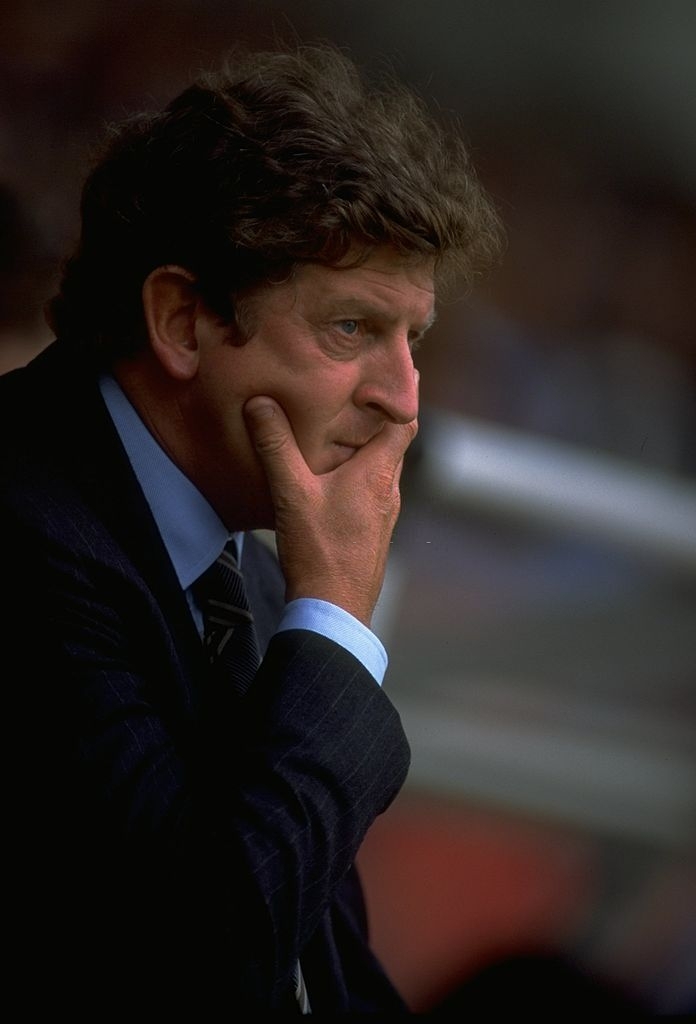
“Roy can be a proper English gentlemen, yeah,” Sigurdsson says. “If he met your family, he would absolutely melt [their hearts]. He was quite charming when he wanted to be.
“But he also had this kind of brutal side which was sometimes pretty funny to witness. He has a great sense of humour, in a cocky way. You didn’t want to cross him on anything. He’s a character, I’d tell you that.
By the time Hodgson stepped down from the job to continue his journey through Northern Europe and become Finland manager, Sigurdsson had already signed for Stoke City. “I was about to leave Viking a year before”, he says. “I was more likely to join Feyenoord. But that didn’t happen because Roy persuaded me to stay.
“Then I had offers from Stoke and some other clubs from England and Germany. Roy came to me again to try to talk me out of this. ‘It would be good for you to stay here with us,’ he said. ‘I would love you to stay.’
“But I wanted to leave, so I just looked at him and asked, ‘Boss, what would you do if you were me?’
“‘I’d fuck off,’ he said and started laughing. So that was that. I went to England.”
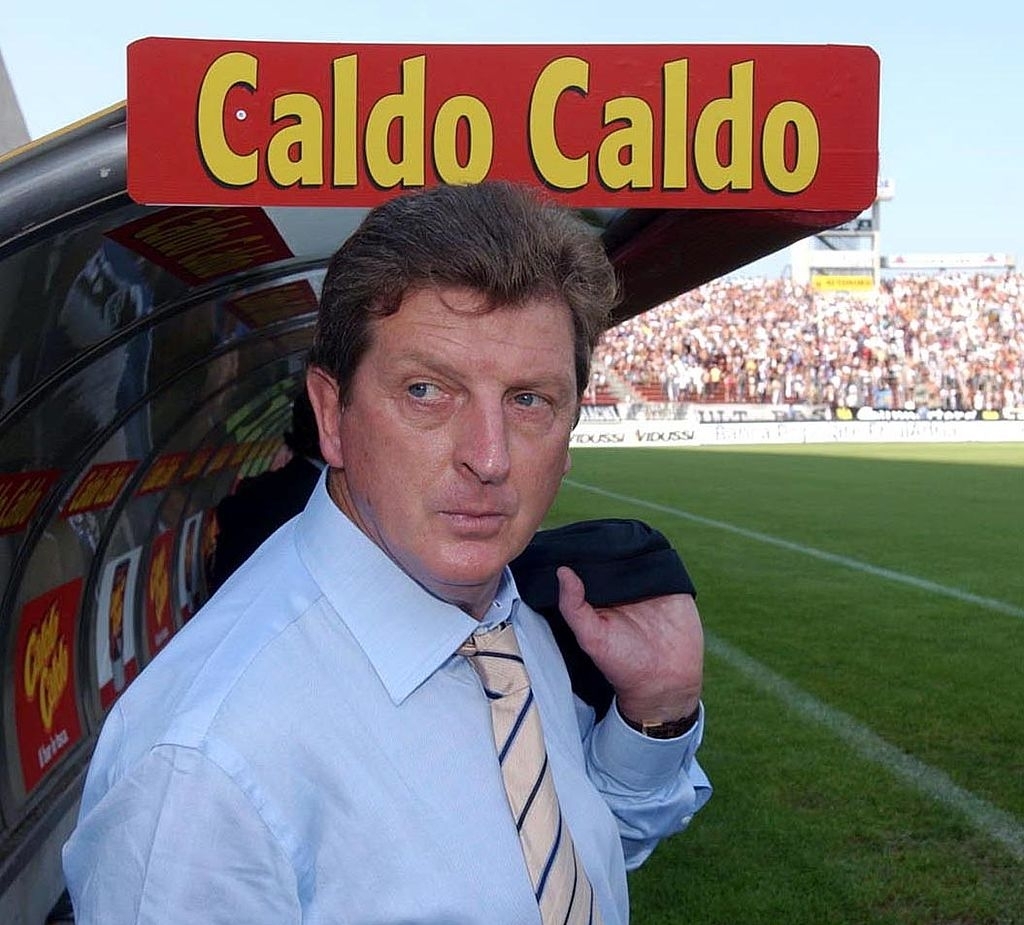
So many destinations, so many clubs, so many accolades, 44 years with the grass and the ball. It’s been an absolute pleasure, Roy. A football man.
 Into Added Time